February 7, 2012

Georgia Bulldogs lose talented football player to tough immigration stance

The Georgia Bulldogs learned first hand how tough immigration policies can lead to individual negative experience. Talented football recruit, Chester Brown, was heavily recruited to Georgia from his high school in Hinesville, Georgia. Chester was born in Samoa and brought to the United States by his family when he was a boy. He went to school in California and was moved to Hinesville by his family when violence was running rampant in California.
Chester enrolled in and went to school in Hinesville. He joined the football team and was an athletic standout. His dream was to become a Georgia Bulldog. The Georgia Bulldog's dream was to have him. Just another American success story right?
The problem arose when a rule requiring every potential student to prove their lawful status in the United States was brought to light. Chester was a child when he came to the U.S. He had no documentation to prove his status. Chester's family also were unable to provide the proper documentation. So, no Georgia Bulldogs for Chester. And no Chester for the Georgia Bulldogs.
Stories like Chester's are going to become more prevalent in the years to come. Children brought to the U.S. by the parents, either lawfully or unlawfully, integrate into our society. They become neighbors, friends, boyfriends or girlfriends, of U.S. citizens. The learn the language. They learn the culture. All while the ties to the country they were born in dissolve, if they were ever present in the first place. Now, upon the age of maturation, they are told that they need a driver's license, social security card, and other documentation to prove their lawful status. They are stuck between two countries. One, they may barely know, and one they call home, but will not accept them. Through no fault of their own, these children, are left stateless.
Legislation, specifically the Dream Act, has been proposed but not passed to address this issue. But the wheels of justice move very slowly. For thousands of talented kids, raised and educated in the United States, they will not move fast enough. For Chester, this was a lose-lose situation for both him and for the University of Georgia. These stories happen more frequently than you would probably imagine. The stereotype of an Hispanic apple picker taking American jobs is not the reality. Kids that look and talk and act like any other American born child are the reality.

Read more about Chester Brown here.

December 13, 2011

U.S. Supreme Court to Review Arizona Immigration Law

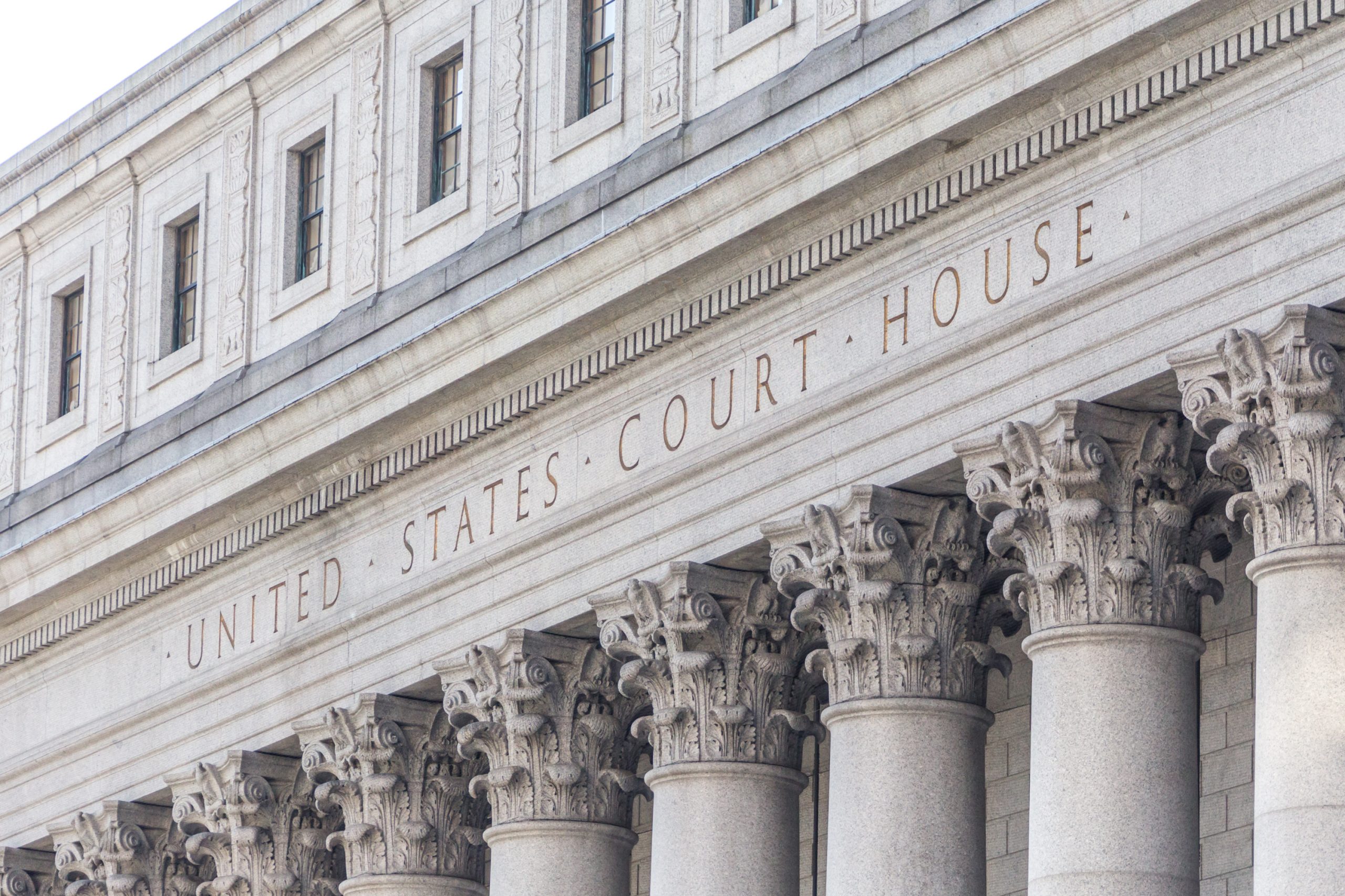
The United States Supreme Court has indicated that it will hear the State of Arizona's appeal of a ruling that struck down the State's law criminalizing the unlawful presence of aliens. By passing this state law, Arizona has challenged the federal position that immigration remains a federal issue and that the federal government has sole authority to legislate in the immigration arena.
The U.S. Supreme Courts decision will either pave the way for other states to follow Arizona's lead, or will shut the door to Arizona and other states from encroaching on the federal government's historic monopoly on immigration enforcement. This decision will have a dramatic effect on the lives of thousands of immigrants, both lawful and unlawful. It will also affect minority U.S. Citizens.
Many minorities and lawful immigrants have argued that Arizona's law leads to racial profiling and harassment of both U.S. citizens and non U.S. citizens that are here lawfully. Arizona's immigration law has led to state law enforcement officers increasing efforts to ferret out individuals who are here unlawfully. In doing so, those that are here lawfully are subjected to increased scrutiny. Imagine, as a U.S. citizen, having to account for your U.S. citizenship at every interaction with law enforcement or government agency. Having to respond to questions like, "Where's your birth certificate? Is it certified? Why is your name mispelled? Why is your address incorrect?"
Post 9/11 laws, like the Real ID Act, have led to more and more government intrusion into the lives of U.S. citizens, lawful permanent residents and those here with valid visas. Anyone who has been to the DMV lately can attest to this fact. The U.S. Supreme Court's decision will either increase the bureacracy, or stem the tide. Thousands will be affected.

April 15, 2011

Florida lawmakers propose new immigration bill

Florida lawmakers proposed a new bill that would require employers to verify potential employees immigration status. The bill would also allow law enforcement to obtain the identify and legal status of individuals in criminal investigations. Critics of the proposed law state that the Arizona type immigration bill would reflect poorly on the state of Florida, a tourist dependent state. Critics also argue that the bill will promote racial profiling and that it is unnecessary because illegal immigrants are not taking jobs away from U.S. citizens. It remains to be seen whether the proposed law will be enacted.